
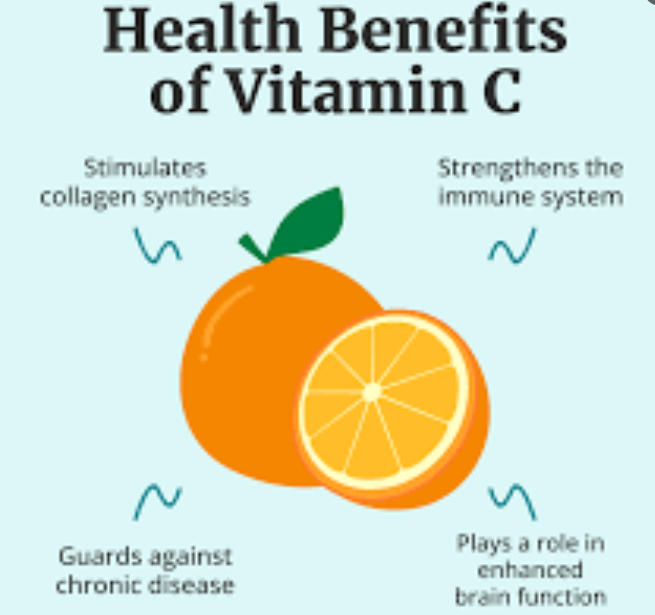
Ah, ascorbic acid — the invisible guardian of freshness in every bright bottle of orange juice and every sparkling fruit drink. 🍊✨
To most consumers, it’s simply “vitamin C,” but in food science, it’s a multifunctional antioxidant that protects color, flavor, and nutrition from the silent decay of time.
Let’s unfold how and why this humble molecule became the unsung hero of fruit juice and beverage stability.
🧪 1️⃣ What Is Ascorbic Acid?
Chemically, ascorbic acid (C₆H₈O₆) is a water-soluble organic acid derived from glucose.
It’s both a vitamin and a natural antioxidant, capable of donating electrons to neutralize reactive oxygen species (ROS) — the same oxidative forces that dull color, fade aroma, and destroy nutrients.
In beverages, that antioxidant power is pure gold.
It helps the product stay tasting and looking “fresh-squeezed” long after it leaves the factory.
🍹 2️⃣ Why It’s Added to Fruit Juices and Beverages
🛡️ (A) To Protect Vitamin C Content
Ironically, natural fruit juices already contain vitamin C — but it’s unstable.
Exposure to air, light, and heat breaks it down rapidly.
By adding extra ascorbic acid, formulators “fortify the system”:
It saturates the juice with antioxidants,
so oxygen attacks the additive first, not the natural vitamins.
🧩 Think of it as a sacrificial shield that takes the damage to protect the flavor and nutrition behind it.
🌈 (B) To Preserve Color
Many fruit pigments — especially anthocyanins (red, purple) and carotenoids (orange, yellow) — are highly sensitive to oxidation.
Ascorbic acid prevents them from fading or browning.
| Juice Type | Color Issue Without Ascorbic Acid | Result With Ascorbic Acid |
|---|---|---|
| Apple / Pear | Browning from polyphenol oxidase | Clear, bright juice |
| Orange / Mango | Dullness from oxygen exposure | Vibrant orange hue |
| Berry juices | Anthocyanin oxidation | Deep, stable red tone |
🍊 (C) To Stabilize Flavor
Volatile compounds like esters and terpenes, which give citrus and tropical fruits their aroma, are vulnerable to oxidation.
Ascorbic acid slows this process, preserving that “just-cut fruit” scent and taste.
💎 (D) To Prevent Enzymatic Browning
In fresh juice or minimally processed beverages, polyphenol oxidase (PPO) can darken the liquid.
Ascorbic acid reduces the intermediate quinones back to colorless phenols, stopping browning reactions at the source.
🧃 This is why freshly pressed apple juice turns brown if left exposed — unless ascorbic acid steps in.
⚗️ (E) As a Nutritional Fortifier
Beyond protection, ascorbic acid is actively added as a nutrient — to meet dietary vitamin C targets or marketing claims like “Rich in Vitamin C.”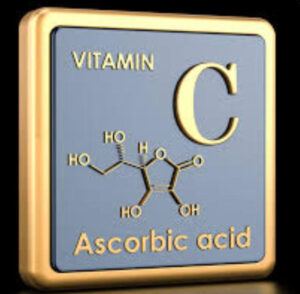
One serving of fortified juice can provide 30–100 mg of vitamin C, enough to support immune health and antioxidant balance.
🧾 3️⃣ Labeling and Regulatory Identity
On ingredient lists, it appears as:
Ascorbic Acid (E300)
or its salts
Sodium Ascorbate (E301), Calcium Ascorbate (E302)
All are classified by global authorities (FDA, EFSA, Codex) as safe and natural additives, widely accepted for both fortification and preservation.
🧭 4️⃣ Typical Dosage and Application
| Beverage Type | Typical Use Level | Purpose |
|---|---|---|
| Citrus juice (orange, lemon) | 100–300 mg/L | Preserve color & vitamin C content |
| Apple juice | 200–400 mg/L | Prevent enzymatic browning |
| Berry / mixed fruit drinks | 300–500 mg/L | Color & flavor stabilization |
| Functional drinks / energy drinks | 250–1000 mg/L | Nutritional fortification |
Optimal pH for maximum stability: below 4.0, the natural acidity of most fruit beverages.
⚙️ 5️⃣ How It Works — The Chemistry of Protection
In the presence of oxygen, ascorbic acid converts to dehydroascorbic acid (DHA), itself still active.
Each molecule can donate two electrons — a tiny but mighty chemical gift that quenches oxidation chain reactions.
Without it, oxidative spoilage cascades, leading to:
Dull color
Flat or “cooked” aroma
Nutrient degradation
Shorter shelf life
🌍 6️⃣ Market and Consumer Perspective
In today’s clean-label movement, ascorbic acid is a friendly additive —
recognizable, natural, and multifunctional.
Consumers trust it because it bridges nutrition and stability:
an additive that’s also a vitamin, not a mystery chemical.
🧡 7️⃣ Tynod Chemistry’s Advantage
At Tynod Chemistry, our ascorbic acid stands for:
💎 High purity (≥ 99.7 %)
⚡ Excellent solubility for beverage applications
🌱 Non-GMO, vegan, allergen-free
⏱️ Fast global delivery and competitive pricing
We also supply sodium and calcium ascorbate, optimized for buffered systems and clear beverages.
From fresh-pressed juice to functional drinks, our vitamin C line keeps your products bright, stable, and market-ready.