

🌞 The Sweet Chemistry of Everyday Life
Sweetness is more than a flavor — it’s a feeling.
The joy of a ripe peach, the comfort of a morning coffee, the warmth of honey dripped over bread — behind all these moments
lies chemistry.
And in that chemistry, three natural sweeteners stand as pillars: glucose, fructose, and sucrose.
At Tynod Chemistry, with over 20 years of expertise in food ingredients, we supply a full range of sweeteners to the global market — from glucose and fructose syrups to sucrose, aspartame, and stevia blends.
But beyond trade and tonnage, we believe knowledge is the sweetest form of trust.
Let’s explore the scientific and sensory world of sugars — and what makes each unique.
🍬 1. The Three Sweet Siblings — Nature’s Energy Builders
While they all taste sweet, glucose, fructose, and sucrose differ in structure, source, metabolism, and application.
Here’s a quick breakdown:
| Type | Chemical Structure | Natural Sources | Sweetness Level (vs. sucrose = 100) | Common Uses | Metabolism in the Body |
|---|---|---|---|---|---|
| Glucose | Monosaccharide (C₆H₁₂O₆) | Fruits, honey, corn, starches | 70–80 | Bakery, beverages, candies, energy drinks | Rapidly absorbed, main energy fuel for cells |
| Fructose | Monosaccharide (C₆H₁₂O₆, different structure) | Fruits, honey, agave, HFCS | 120–140 | Fruit juices, soft drinks, desserts | Metabolized mainly in liver, converted to glucose or stored as fat |
| Sucrose | Disaccharide (glucose + fructose) | Sugarcane, sugar beet | 100 | Table sugar, baked goods, sauces | Broken down into glucose + fructose in digestion |
Though their formulas look similar, the arrangement of atoms makes all the difference — in taste, behavior, and metabolic impact.
🍯 2. Glucose — The Body’s Universal Energy Currency
Glucose is life’s primary fuel. Every cell, from brain to muscle, depends on it for energy.
In food manufacturing, glucose provides more than sweetness — it adds body, volume, and moisture retention.
At Tynod Chemistry, we supply glucose powder and syrup of consistent purity and particle uniformity, ideal for:
Bakery and confectionery products
Dairy beverages and ice cream
Pharmaceutical formulations (as excipient or nutrient base)
Why manufacturers love glucose:
Excellent solubility and stability
Neutral taste that enhances other flavors
Improves browning and texture in baked goods
Offers fast-release energy
In short — glucose isn’t just sweet; it’s functional sweetness.
🍎 3. Fructose — Nature’s Sweetest Gift
Fructose is often called the “fruit sugar,” and for good reason. It is naturally abundant in apples, grapes, honey, and agave nectar.
With its higher sweetness intensity, it allows for reduced overall sugar usage — making it valuable for low-calorie formulations.
Key benefits of fructose in industry:
1.2 to 1.4 times sweeter than sucrose — so less is needed
Enhances fruit flavors and aroma
Provides smooth mouthfeel and glossy texture in beverages and jams
Maintains sweetness even at low temperatures (great for frozen foods)
However, fructose is metabolized differently — primarily in the liver. In moderate amounts, it’s perfectly safe, but like all sugars, balance matters.
At Tynod Chemistry, we provide high-purity fructose and HFCS (High Fructose Corn Syrup) options tailored for beverage, confectionery, and pharmaceutical clients worldwide.
🍰 4. Sucrose — The Classic Sweetener of Tradition
Sucrose is the iconic table sugar — the white crystals we stir into tea, sprinkle on fruit, or caramelize into golden art.
Chemically, it’s a disaccharide composed of one molecule of glucose and one of fructose, linked together by a glycosidic bond.
Industrial strengths of sucrose:
Predictable sweetness and stability
Excellent bulking and texture formation
Plays a vital role in color and flavor development (Maillard reaction)
Works synergistically with other sweeteners for balanced profiles
At Tynod Chemistry, we source food-grade sucrose that meets international FCC and USP standards, ensuring reliability and purity for every formulation.
⚗️ 5. The Science Behind Sweetness
Why does fructose taste sweeter than glucose?
The secret lies in how each molecule binds to the sweetness receptors on the tongue.
Fructose’s structure activates these receptors more effectively, giving a stronger sensation of sweetness at lower concentrations.
This allows manufacturers to:
✅ Use less sugar overall
✅ Lower calories per serving
✅ Maintain or even enhance flavor intensity
It’s chemistry serving both health and taste.
🌿 6. Choosing the Right Sweetener: A Formulator’s Art
The right sweetener is not simply the sweetest one — it’s the one that matches the product’s purpose.
| Application | Preferred Sweetener | Reason |
|---|---|---|
| Beverages | Fructose or HFCS | High solubility, stable sweetness |
| Baked Goods | Glucose or Sucrose | Browning, moisture control |
| Confectionery | Glucose + Sucrose blends | Texture control, crystallization prevention |
| Dairy Products | Glucose | Mild sweetness, smooth mouthfeel |
| Pharmaceutical Syrups | Glucose or Sorbitol | Safe, stable, non-reactive |
At Tynod Chemistry, we don’t just sell sweeteners — we guide formulation decisions, offering both technical expertise and application support.
🧬 7. Sweeteners and Human Health — A Balanced Perspective
Much of today’s sugar debate comes from confusion rather than chemistry.
Glucose, fructose, and sucrose are all natural carbohydrates — safe and essential in moderation.
However, balance is key:
Glucose gives instant energy.
Fructose, when consumed moderately, offers natural sweetness without rapid blood sugar spikes.
Sucrose delivers the comforting sweetness humans have known for centuries.
At Tynod Chemistry, we promote responsible sweetness — supporting both food innovation and consumer well-being.
📊 8. The Sweet Future — Innovation and Clean Label Trends
As consumer preferences shift toward health-conscious and clean-label products, sweetener technology evolves.
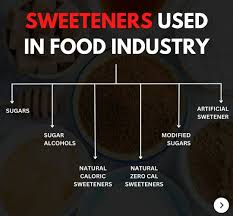
Manufacturers now blend traditional sugars with natural zero-calorie options like stevia, erythritol, and monk fruit extract, creating taste profiles that are balanced, safe, and sustainable.
Tynod Chemistry is at the forefront of this change, offering:
Customized sweetener blends for reduced-calorie formulations
Technical advice for sugar replacement systems
Clean-label ingredient sourcing compliant with FDA, EFSA, and ISO standards
We see sweeteners not just as products, but as bridges between science and satisfaction.
📸 Suggested Visuals for Publication
Header Image: Macro photo of sugar crystals, corn syrup drops, and honey — captioned “Every sweetness tells a story.”
Infographic: “Glucose vs. Fructose vs. Sucrose — Structure & Function at a Glance.”
Factory Image: Tynod Chemistry’s packaging or QC laboratory, symbolizing precision and reliability.
Quote Card:
“Sweetness is not just flavor — it’s chemistry, carefully balanced by nature and science.”
— Tynod Chemistry
🌟 Conclusion: The Chemistry of Trust
Sweeteners may differ in molecule and metabolism, but they share one universal truth — they connect nature’s energy to human joy.
Whether it’s the smooth energy of glucose, the fruity brightness of fructose, or the familiar charm of sucrose, each plays an irreplaceable role in food and life.
At Tynod Chemistry, our mission is simple yet profound:
To deliver safe, high-quality sweeteners and food ingredients that meet the demands of a changing world — with transparency, technical expertise, and a touch of humanity.