
Aspartame is a widely used artificial sweetener, commonly found in sugar-free products like diet sodas, chewing gum, and various low-calorie snacks. It is also used in some medications and vitamins as a sugar substitute. The safety of aspartame for human consumption has been a topic of extensive scientific study and regulatory review over the years.
1. What is Aspartame?
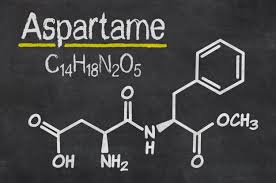
Aspartame is a synthetic sweetener that is roughly 200 times sweeter than sucrose (table sugar). Chemically, it is composed of three components:
Aspartic acid – An amino acid naturally found in many foods, including meat, fish, eggs, and dairy products.
Phenylalanine – Another amino acid that is naturally present in protein-containing foods.
Methanol – A type of alcohol that is also found in fruits and vegetables in small quantities.
The body metabolizes aspartame into its components (aspartic acid, phenylalanine, and methanol), all of which occur naturally in many foods we eat every day.
2. Is Aspartame Safe for Human Consumption?
Yes, aspartame is generally recognized as safe (GRAS) for human consumption by regulatory agencies around the world, including:
U.S. Food and Drug Administration (FDA)
European Food Safety Authority (EFSA)
World Health Organization (WHO)
Health Canada
These agencies have reviewed decades of research on aspartame, including studies on its potential links to cancer, neurological disorders, and other health issues.

After extensive evaluation, these regulatory bodies have consistently concluded that aspartame is safe for the general population, including pregnant women, when consumed within the acceptable daily intake (ADI) levels.
3. Health Concerns and Studies
Despite the broad scientific consensus on its safety, aspartame has been the subject of controversy, often fueled by public concern or misinformation. Some of the most common health concerns include:
3.1. Cancer Risk
In the past, some animal studies suggested a potential link between aspartame and cancer. However, after more comprehensive research and evaluation of human data, both the FDA and EFSA concluded that aspartame does not pose a cancer risk. The largest and most definitive studies have shown no increased risk of cancer or tumors among people who consume aspartame.
3.2. Phenylketonuria (PKU)
Phenylalanine, one of the breakdown products of aspartame, is harmful to individuals with a rare genetic disorder called phenylketonuria (PKU). People with PKU cannot metabolize phenylalanine properly, leading to toxic levels in the brain. However, PKU is rare, and foods containing aspartame are clearly labeled with a warning for individuals with PKU, making it easy for them to avoid it.
For the vast majority of the population, phenylalanine in aspartame does not pose a risk.
3.3. Neurological Concerns
Some people report headaches, dizziness, or mood swings when consuming products containing aspartame. However, these reactions are rare and are not supported by large-scale scientific studies. Research has shown that aspartame does not cause significant neurological or psychological issues in the general population when consumed at levels within the ADI range.
3.4. Metabolism of Aspartame
Aspartame is broken down into its components during digestion, and none of these breakdown products are harmful at normal levels. Methanol, which is a byproduct of aspartame breakdown, is naturally present in many fruits and vegetables, and the amount produced by consuming aspartame is minimal—about the same as what would be consumed by eating a single serving of fruits like apples or oranges.
4. Regulatory Approvals and Acceptable Daily Intake (ADI)
The FDA has set an Acceptable Daily Intake (ADI) for aspartame at 50 milligrams per kilogram of body weight. This means that a person weighing 70 kg (about 154 pounds) could safely consume up to 3,500 milligrams of aspartame per day without adverse effects. This is equivalent to approximately 18-19 cans of diet soda per day, far beyond what the average person would typically consume.
The EFSA has a slightly lower ADI of 40 milligrams per kilogram of body weight, which provides an additional safety margin.
These levels are set based on the results of extensive safety testing, including long-term studies in animals and clinical studies in humans, all of which have shown that aspartame poses no health risks when consumed within these limits.
5. Who Should Avoid Aspartame?
People with Phenylketonuria (PKU): As mentioned earlier, PKU is a genetic disorder that affects the body’s ability to break down phenylalanine, which can accumulate in the brain and cause brain damage if not managed properly. Aspartame contains phenylalanine, so people with PKU must avoid it completely.
Those with Sensitivities: While the vast majority of people can consume aspartame without any issues, some individuals report mild symptoms like headaches or gastrointestinal distress after consuming products with aspartame. If you experience these symptoms, you might want to limit or avoid aspartame-containing foods and drinks.
6. Conclusion:
Aspartame is widely regarded as safe for the general population when consumed within the established acceptable daily intake (ADI) levels. The numerous safety reviews and scientific studies conducted by regulatory bodies such as the FDA, EFSA, and WHO have found no credible evidence linking aspartame to cancer, neurological disorders, or other health problems in healthy individuals.
If you are in good health and do not suffer from conditions like PKU, aspartame can be a safe and effective sugar substitute. However, as with any food or beverage ingredient, moderation is key. If you have concerns or experience adverse reactions, it’s always a good idea to consult with a healthcare professional.
Aspartame’s ability to provide a sweet taste without the added calories of sugar has made it a valuable option for people managing their weight or blood sugar levels. However, as with any ingredient, being mindful of its consumption in the context of a balanced diet is essential.