
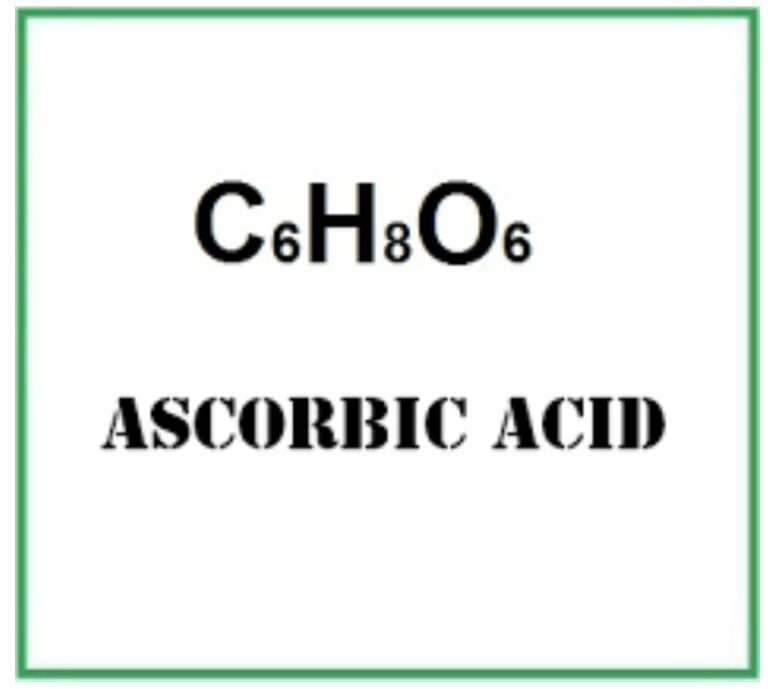
🧪 1️⃣ The Role of Antioxidants in Food Systems
Antioxidants are the bodyguards of food stability.
They prevent or slow oxidation, the chemical reaction that causes:
Rancidity in oils and fats
Discoloration in meats and juices
Loss of nutrients and flavor degradation
The Common Players:
| Type | Example | Nature | Function |
|---|---|---|---|
| Synthetic | BHA, BHT, TBHQ | Petroleum-derived | Strong lipid-phase antioxidants |
| Natural | Ascorbic acid, tocopherols (vitamin E), rosemary extract | Plant-based or bio-derived | Gentle, multi-functional antioxidants |
🍋 2️⃣ What Makes Ascorbic Acid Special
Ascorbic acid (vitamin C) is a water-soluble antioxidant — it works mainly in aqueous (water-based) systems, protecting vitamins, pigments, and flavors.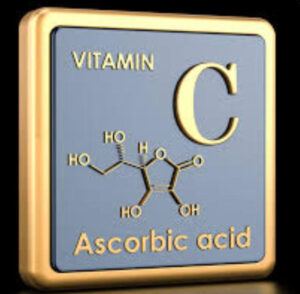
Chemically, it acts by donating hydrogen atoms (electrons) to neutralize free radicals, halting the oxidative chain reaction before it harms lipids or other sensitive molecules.
However, this same trait — its water solubility — also defines its limits.
In oil-rich or fatty foods, ascorbic acid alone is not stable enough to protect long-term rancidity.
That’s where BHA/BHT, which are lipid-soluble, have the advantage.
⚗️ 3️⃣ So… Can Ascorbic Acid Replace BHA/BHT?
✅ Yes — in some systems.
❌ Not completely — in others.
Let’s be specific.
| Application Type | Oxidation Medium | Can Ascorbic Acid Replace BHA/BHT? | Comment |
|---|---|---|---|
| Fruit juices / beverages | Water-based | ✅ Yes | Excellent antioxidant & color stabilizer. |
| Fresh-cut produce | Water-based | ✅ Yes | Prevents browning and vitamin loss. |
| Cured meats | Mixed | ✅ Partial | Works with nitrites to stabilize color; may supplement other antioxidants. |
| Bakery products | Fat + moisture | ⚠️ Partial | Improves dough & freshness, but limited lipid oxidation control. |
| Oils / frying fats | Lipid-based | ❌ No | Decomposes rapidly; needs fat-soluble antioxidants (like tocopherols or rosemary extract). |
Thus, while ascorbic acid can replace synthetic antioxidants in aqueous or emulsion systems, it’s not sufficient for purely fatty matrices.
But it often works beautifully when combined with tocopherols (vitamin E) or natural plant extracts.
🔬 4️⃣ How It Enhances Natural Systems
Interestingly, ascorbic acid doesn’t just act alone — it can regenerate other antioxidants.
For example:
It converts oxidized vitamin E (tocopherol) back to its active form.
It reacts with oxygen faster than lipids do, delaying rancidity indirectly.
In emulsified foods (like mayonnaise, dressings, dairy beverages), this synergy extends shelf life naturally — often matching the performance of BHA/BHT.
🌿 5️⃣ The Clean-Label Advantage
Modern consumers increasingly reject synthetic additives.
Ascorbic acid (E300), by contrast, is:
Naturally present in fruits and vegetables
Recognized as a vitamin
Approved globally with no ADI (Acceptable Daily Intake) limits
Vegan, non-GMO, and allergen-free
For brands that seek a “natural antioxidant system,” ascorbic acid fits perfectly — both scientifically and emotionally.
🧴 6️⃣ Practical Formulation Tips
| Challenge | Natural Solution | Formulator Tip |
|---|---|---|
| Oil oxidation | Ascorbic acid + tocopherols | Synergistic effect in emulsions |
| Beverage color fading | Ascorbic acid alone | 200–500 mg/L effective |
| Meat curing | Ascorbic acid + sodium nitrite | Color stabilization + antioxidant |
| Fresh produce browning | Ascorbic acid dip | 1–2% solution, pH 3–4 |
To enhance lipid stability further, formulators often blend:
Ascorbic acid (E300)
Tocopherols (E306–E309)
Rosemary extract (E392)
Together, these form a fully natural antioxidant system — capable of replacing synthetic preservatives in most applications.
🌍 7️⃣ Sustainability & Market View
The global demand for natural antioxidants is projected to grow at 8–10% annually, while BHA/BHT use is declining.
Consumers associate “Vitamin C–preserved” with health, freshness, and purity — a marketing edge that synthetics can never match.
At Tynod Chemistry, our ascorbic acid and sodium ascorbate grades are:
💎 High-purity (≥99.7%), pharma-grade quality
🌱 Natural-source and non-GMO
⚡ Optimized for aqueous or emulsion systems
🚀 Supported by global logistics for food, beverage, and pharma
We also offer custom blends combining vitamin C with tocopherols for clean-label preservation solutions.
✨ 8️⃣ In Essence
Ascorbic acid can’t always do what BHA/BHT do — but it does what nature intended, beautifully.
It sacrifices itself so flavors stay bright, colors stay honest, and health remains in every drop and bite.
When used wisely — especially in synergy with natural allies — it doesn’t just replace synthetics,
it redefines what “freshness” means in a cleaner, more sustainable world. 🌍💫