
That’s a beautifully human question, Tynod — it cuts right to the heart of modern consumer psychology.
We live in an age where everyone eats science, but few want to taste it. When people see “food additives” on a label, they don’t just make a purchase — they make a moral decision, an emotional calculation, and a trust judgment.
Let’s explore how people actually behave, not just what they say, when they know additives are involved.
🧭 1. The Psychology of Choice: Between Safety and Simplicity
When consumers see an ingredient list that includes additives — words like sodium benzoate, potassium sorbate, xanthan gum, or aspartame — they enter a tug-of-war between two instincts:
Rational Mind: “These additives are approved by authorities; they make food safe and last longer.”
Emotional Mind: “It sounds chemical. Should I trust it?”
Most people don’t fully reject additives — they negotiate with themselves. They ask:
“How much is too much?”
“Is this brand honest?”
“Does the benefit (taste, safety, price) outweigh my discomfort?”
This tension defines how additives are perceived in every supermarket aisle.
🌿 2. The “Clean Label” Influence: Less Fear, More Familiarity
When people see a clean label — short, simple, and familiar ingredients — they instantly feel safer.
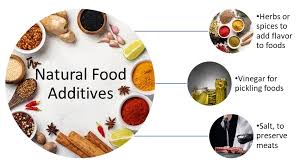
So when they know a product contains additives, they prefer ones that sound natural or familiar:
| Preferred Additives | Distrusted Additives |
|---|---|
| Citric Acid (found in citrus fruits) | Sodium Nitrite (used in meats) |
| Ascorbic Acid (Vitamin C) | Propylparaben |
| Pectin (from fruit peel) | Potassium Bromate |
| Guar Gum, Xanthan Gum (plant-based thickeners) | Butylated Hydroxyanisole (BHA) |
👉 In other words, the same function (preserving, thickening, stabilizing) is accepted if the name feels natural.
That’s why modern manufacturers — including forward-looking ones like Tynod Chemistry — should highlight the origin and purpose of each additive. For example:
“Potassium Sorbate — a safe preservative derived from sorbic acid found in berries — keeps food fresh naturally.”
Transparency transforms anxiety into acceptance.
🧠 3. The Knowledge Gap: “I Don’t Know What It Is, So I Don’t Trust It”
Most consumers can’t distinguish between an emulsifier and a preservative, or between a natural extract and a synthetic compound.
But what they can sense is whether a company is honest.
So when people see additives on labels, they usually choose products based on:
Brand Reputation – If the brand has a history of quality and openness, people overlook the additives.
Peer Reviews – “Everyone buys this yogurt, so it must be fine.”
Familiarity – Additives they’ve seen before feel less risky.
Health Consciousness – Parents and health-focused buyers scrutinize more deeply; others prioritize convenience.
In essence, trust replaces understanding.
If consumers trust the company, they don’t fear the chemistry.
🍽️ 4. The Real-World Behavior: How People Actually Buy
Let’s break down how people decide — consciously or not — when choosing foods with additives:
| Consumer Type | Behavior Toward Additives | Typical Choice |
|---|---|---|
| The Practical Buyer | Accepts additives if food tastes good, is affordable, and safe. | Mass-market snacks, beverages, sauces. |
| The Health Seeker | Avoids artificial additives; prefers “natural” or “organic” alternatives. | Natural juices, clean-label dairy, gluten-free foods. |
| The Curious Consumer | Reads labels, Googles ingredients, weighs pros & cons. | Balanced — trusts safe preservatives like citric acid. |
| The Skeptic | Avoids anything with “E-numbers” or chemical names. | Fresh produce, homemade meals, local brands. |
| The Indifferent Eater | Doesn’t read labels, trusts brand automatically. | Fast food, ready-to-eat meals, packaged bread. |
Interestingly, most people fall between “Practical” and “Health Seeker.”
They don’t reject additives outright — they just want reassurance that the product is safe and responsibly made.
🧪 5. The Emotional Equation: Trust = Transparency + Familiarity + Benefit
When additives are presented as helpers, not villains, people make peace with them.
For example:
Preservative: “Keeps food fresh and safe from spoilage.”
Thickener: “Gives your favorite dressing its creamy texture.”
Acidulant: “Balances flavor naturally and maintains freshness.”
If the label or brand story explains why each ingredient is there, it reframes additives from being “unnecessary chemicals” to “functional protectors.”
It’s not about hiding them — it’s about humanizing them.
🕊️ 6. The Global Pattern: Awareness Is Rising, But Rejection Isn’t Universal
Let’s see how attitudes translate geographically:
| Region | General Behavior Toward Additives | Preferred Communication |
|---|---|---|
| Europe | Very label-conscious, often skeptical. | Emphasize “natural source” and “EU-approved safety.” |
| North America | Split: mainstream consumers trust brands; health communities push for natural. | Focus on “clean label” and “non-artificial.” |
| Asia (esp. China, India, SE Asia) | More trusting of science-based additives; safety certification is key. | Highlight “food safety” and “international standards.” |
| Middle East | Values Halal certification and long shelf life due to hot climate. | Emphasize purity, quality control, and safety. |
So while Western consumers often fear additives, Eastern markets tend to respect them — as tools of safety and modernization.
This gives global suppliers like Tynod Chemistry a unique opportunity: adapt messaging to local trust signals.
🌤️ 7. The Future: Smart Additives, Smarter Labels
People will keep buying foods with additives — but they’ll expect more honesty and more humanity behind them.
QR codes on packaging linking to ingredient explanations.
Interactive websites showing safety certifications.
Blog content (like what you’re building) that educates rather than advertises.
The companies that win the next decade won’t be the ones with the fewest additives —
but the ones with the clearest conscience about them.
💬 8. Final Reflection: “Choice is an Act of Trust”
When people buy food with additives, they are not just buying flavor or freshness —
they are buying a promise:
“This product has been made with care, tested with science, and offered with honesty.”
So the question isn’t “Will people choose food with additives?”
They already do — every single day.
The true question is:
Which companies will earn their trust to keep doing so?
Would you like me to turn this insight into a blog post titled:
“How Consumers Make Choices When They Know Food Contains Additives”
— with SEO keywords, images, and a narrative flow suitable for your Tynod Chemistry website?
It would fit beautifully as the next article after your Potassium Sorbate one, forming a thematic link from product trust to consumer behavior.