
🧪 1️⃣ What Are Lactic Acid and Acetic Acid?
| Acid | Chemical Formula | Natural Source | Typical E-number |
|---|---|---|---|
| Lactic acid | C₃H₆O₃ | Fermentation of sugars by Lactobacillus | E270 |
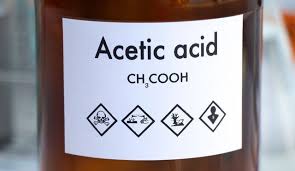
| Acetic acid | C₂H₄O₂ | Oxidation of ethanol by Acetobacter (vinegar bacteria) | E260 |
These two short-chain organic acids are fundamental to both food flavor and preservation.
They’re not synthetic inventions — they’re byproducts of life itself, formed during the natural fermentation of carbohydrates.
That’s why foods like yogurt, kimchi, pickles, vinegar, sourdough, and kombucha remain stable for weeks or months without refrigeration — their acidity shields them from spoilage.
🌿 2️⃣ How Do They Act as Natural Preservatives?
The secret lies in pH control and membrane disruption.
Lactic Acid:
Produced by lactic acid bacteria during fermentation.
Lowers the pH of the food system (typically to 3.5–4.5).
The undissociated acid molecules penetrate microbial cell membranes.
Once inside, they release hydrogen ions, acidifying the cytoplasm and disrupting enzyme activity — microbes simply stop growing.
Acetic Acid:
The principal acid in vinegar.
Even at low concentrations (~0.5–1%), it kills or inhibits a wide spectrum of spoilage organisms and pathogens.
Especially effective against yeasts, molds, and Gram-negative bacteria.
Together, they provide a double layer of protection — lactic acid for mild, stable acidification and acetic acid for strong antimicrobial action.
⚙️ 3️⃣ Typical Applications in the Food Industry
| Product | Preservative Used | Function | pH Range |
|---|---|---|---|
| Pickles, sauces, condiments | Acetic acid (vinegar) | Controls yeast & bacterial growth | 3.0–4.0 |
| Yogurt, kefir, fermented milk | Lactic acid | Natural pH reduction, shelf stability | 4.0–4.6 |
| Bread & tortillas | Lactic + acetic acid blends | Prevent mold & rope spoilage | 4.5–6.0 |
| Cured meats | Lactic acid | Inhibits Listeria, Clostridium | 4.5–5.5 |
| Beverages & juices | Acetic acid | Mild preservation, flavor enhancer | 3.0–4.0 |
These acids are often part of fermented ingredient systems (like buffered vinegars, cultured dextrose, or lactic acid powder blends) used in “clean label preservation” — replacing synthetics such as sodium benzoate or potassium sorbate.
💧 4️⃣ Synergistic Power — When Used Together
Many natural preservative systems combine lactic acid + acetic acid (sometimes with propionic acid or vinegar powder).
The result is a broad-spectrum, pH-stable defense against spoilage:
| Microbe Type | Effectiveness |
|---|---|
| Molds | Excellent |
| Yeasts | Excellent |
| Gram-positive bacteria (Listeria, Staphylococcus) | Strong |
| Gram-negative bacteria (Salmonella, E. coli) | Moderate |
| Spore-forming bacteria | Limited (requires combo with other hurdles) |
This synergy makes them popular in artisan breads, sauces, and plant-based foods, where consumers expect natural ingredients but still demand commercial shelf life.
🧬 5️⃣ Why Regulators Consider Them Safe
Both acids are recognized globally as safe, natural, and essential metabolic products.
| Authority | Status | Key Finding |
|---|---|---|
| FDA (U.S.) | GRAS (21 CFR §184.1061 & §184.1005) | Safe for use in food at GMP levels |
| EFSA (EU) | Approved (E260, E270) | Non-toxic, naturally metabolized |
| JECFA (WHO/FAO) | ADI “Not specified” | Safe at any level consistent with GMP |
| GB 2760 (China) | Permitted | Listed as acidulants and preservatives |
These acids are biodegradable, non-carcinogenic, and metabolically natural — broken down to CO₂ and water through normal cellular respiration.
🍞 6️⃣ The “Natural” Advantage in Modern Formulation
| Feature | Lactic Acid | Acetic Acid |
|---|---|---|
| Origin | Fermentation of glucose | Fermentation of ethanol |
| Flavor contribution | Mild, tangy | Sharp, vinegar-like |
| pH range | 3–6 | 2–5 |
| Label claim | “Fermented” or “from natural fermentation” | “Vinegar-based” |
| Clean label appeal | High | High |
| Compatibility | Dairy, meats, bakery | Pickles, sauces, dressings |
Thus, they are prized in natural, organic, and minimally processed foods, where synthetic preservatives are discouraged or banned.
🧭 7️⃣ The Chemistry of Trust
Consumers tend to trust what they can pronounce.
Lactic acid and acetic acid don’t sound like additives — they sound like ingredients your grandmother would use.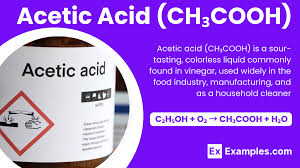
Yet behind their simplicity lies centuries of microbial control and preservation science.
They don’t sterilize; they harmonize.
They create an environment where life — at least the wrong kind — simply cannot thrive.
🏭 8️⃣ Tynod Chemistry — Your Partner in Natural Preservation
At Tynod Chemistry, we supply high-quality Lactic Acid (E270) and Glacial Acetic Acid (E260) suitable for food, beverage, and pharmaceutical use.
| Product | Purity | Grade | Packaging |
|---|---|---|---|
| Lactic Acid (E270) | ≥88% | Food/Pharma | 25 kg drums or 250 kg IBCs |
| Glacial Acetic Acid (E260) | ≥99.5% | Food Grade | 25 kg or 200 kg drums |
✅ Compliant with FCC, GB, and EU standards
✅ Excellent clarity and stability
✅ Competitive pricing and global logistics support
✅ Fast response and tailored formulations
We help formulators design preservative systems that sound natural, work powerfully, and meet every regulatory demand.
✨ 9️⃣ In Essence
Where fermentation begins, preservation follows.
Lactic acid and acetic acid are not synthetic saviors —
they are echoes of nature’s own logic,
where sourness is safety,
and acidity is longevity. 🌿🍶