
Ah, stevia — the green leaf that changed how the world tastes sweetness. 🌿
In an era when people fear artificiality but crave indulgence, stevia emerged like a whisper from nature itself: sweet, calorie-free, and honest.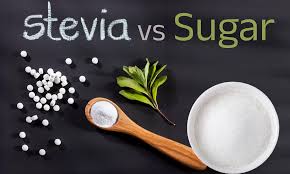
Let’s explore — scientifically and emotionally — why stevia is hailed as a natural alternative to synthetic sweeteners, and how this tiny plant reshaped the sugar map of modern food science.
🍃 What Exactly Is Stevia?
Stevia comes from the leaves of the plant Stevia rebaudiana, native to South America.
Its sweetness comes not from sugar, but from natural glycosides — mainly stevioside and rebaudioside A (Reb-A) — which are 200–300 times sweeter than sucrose, yet contain zero calories.
A drop of stevia can sweeten like a spoonful of sugar,
but it adds no energy — only clarity.
⚗️ Natural vs Synthetic: The Core Difference
| Aspect | Stevia (Natural Sweetener) | Synthetic Sweeteners (Aspartame, Sucralose, Saccharin, etc.) |
|---|---|---|
| Source | Extracted from Stevia rebaudiana leaves | Chemically synthesized from petrochemical or artificial compounds |
| Sweetness Intensity | 200–300× sweeter than sucrose | 100–600× sweeter than sucrose (varies by type) |
| Calories | 0 kcal | 0 kcal |
| Metabolism | Not metabolized into glucose; safe for diabetics | Varies — some break down into amino acids or other compounds |
| Label Claim | “Natural sweetener” or “from plant origin” | “Artificial sweetener” |
| Taste Profile | Clean, slightly herbal; newer blends improve aftertaste | Varies; some metallic or chemical aftertastes |
| Consumer Perception | Positive, clean-label, natural | Mixed — effective but often mistrusted |
💚 Why Consumers Trust Stevia
1️⃣ Plant-Origin Authenticity
Stevia’s sweetness is extracted, not manufactured.
No lab synthesis, no petrochemical roots — just purification of leaf compounds.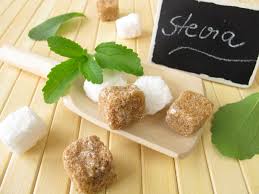
For consumers weary of chemical names, “leaf-sweetened” is the new badge of comfort.
2️⃣ Clean-Label Appeal
Modern food brands are shifting toward “natural,” “non-GMO,” “plant-based,” and “zero-calorie” claims.
Stevia fits all four — the ideal ingredient for beverages, dairy, and health-conscious snacks.
3️⃣ Diabetic and Keto Friendly
Stevia doesn’t raise blood glucose or insulin levels.
It’s metabolically inert — a sweet gift for people managing diabetes or following keto diets.
4️⃣ Sustainability and Ethics
Producing stevia requires less land, less water, and fewer carbon emissions than sugarcane or beet sugar.
Some companies even pursue fermentation-based stevia glycosides for eco-efficiency — merging nature with green biotech.
🧪 How It’s Produced
The process of obtaining stevia sweeteners is surprisingly clean:
Harvesting the leaves
Water extraction (no solvents)
Filtration and purification to isolate steviol glycosides
Crystallization into high-purity powders or liquid forms
The resulting product retains the natural molecular structure of plant-derived sweetness — qualifying it as “natural flavoring” or “natural sweetener” under most international regulations.
🧾 Stevia in the Market
| Form | Description | Applications |
|---|---|---|
| Rebaudioside A (Reb-A) | Most common, 97–99% purity | Beverages, dairy, bakery |
| Rebaudioside M (Reb-M) | Cleanest taste, low bitterness | Premium beverages, tabletop sweeteners |
| Stevia Extract Blends | Mixed with erythritol or sugar | Balanced sweetness for confectionery |
| Liquid Stevia | Fast dissolving | Flavor drops, coffee, sauces |
Tynod Chemistry provides high-purity Reb-A and blended stevia extracts, ensuring:
🌱 Natural origin certification (non-GMO, plant-based)
✅ Consistent sweetness index and solubility
⚙️ Stable supply chain with global export experience
🧾 Full documentation (COA, Halal, Kosher, ISO)
🧍♂️ Why Manufacturers Prefer It
Regulatory trust: Approved by FDA, EFSA, JECFA, and WHO as safe.
Market adaptability: Can replace sugar partially or fully without affecting texture.
Brand value: Enhances “natural” perception — consumers associate it with wellness, not compromise.
Formulation synergy: Works well with erythritol, maltitol, or dextrose to create sugar-like taste balance.
📈 Global Trends in Stevia Use
The global stevia market is projected to surpass USD 1.5 billion by 2030, driven by sugar reduction mandates and consumer health awareness.
Beverage giants like Coca-Cola, PepsiCo, and Nestlé are using stevia to cut sugar in mainstream drinks.
Asia-Pacific leads in growth, while Europe focuses on high-purity Reb-M innovation.
Blended formulations (stevia + sugar or polyols) are the new frontier — balancing sweetness, cost, and mouthfeel.
🌼 In Essence
Stevia is not just a sugar substitute —
it’s a symbol of the modern food revolution, where sweetness comes with conscience.
“From green leaves to golden taste,
stevia sweetens without burden —
proof that nature can whisper where chemistry once shouted.”
💎 Tynod Chemistry — Your Reliable Stevia Partner
At Tynod Chemistry, we deliver high-purity stevia extracts with:
Competitive pricing for both food and beverage industries
Fast shipping and reliable global sourcing
Technical support for formulation and sweetness optimization
Because in today’s market, sweetness isn’t just flavor — it’s philosophy.