
Vanillins ✅ Key Trends
Growing Market Size & Demand
The global vanillin market is expected to grow from ~USD 650 million in 2024 to over USD 1 billion by ~2033 (CAGR ~4.9%). globalgrowthinsights.com+1
Some forecasts even show CAGR ~7-8% in the 2023-2033 period.
Food & beverage remains the dominant application (roughly ~70-80% of volume) with increasing usage in fragrance, cosmetics, and pharmaceuticals.
Shift Toward “Natural” and Bio-Based Vanillin
Consumer preference for clean-label / natural ingredients is pushing demand for natural or bio-based vanillin (fermentation, lignin-derived) rather than purely petrochemical-derived.

Natural vanillin market alone is expected to grow at ~9.4% CAGR from 2025–2035, reaching around USD 1.21 billion by 2035. Yet natural vanillin remains a small share of total supply (limited vanilla bean base) so synthetic / nature-identical still dominate.
Regional Growth & Emerging Markets
Asia‐Pacific leads in growth: rapid expansion of processed foods, confectionery, beverages in China, India, Southeast Asia is fuelling vanillin demand.
Europe and North America emphasize premiumisation, clean-label, natural sourcing; so they drive demand for higher-grade / natural variants.
Innovation in Production & Sustainability
Advances in fermentation, enzymatic synthesis, sustainable feedstocks (e.g., lignin) are making natural/bio vanillin more viable.
The cost and supply volatility of vanilla beans (natural source) remains a constraint. So companies are looking for alternative pathways.
Price & Supply-Chain Pressures
Raw material cost fluctuations (vanilla beans, guaiacol, etc) and regulatory/labeling pressure (for natural/clean-label) are driving complexity in sourcing and cost structure.
Production capacity for synthetic vanillin is much higher than natural; supply gaps or volatility can impact pricing.
🎯 Implications for Tynod Chemistry & Your Customers
Emphasise your competitive pricing, supply reliability, documentation, especially for customers who want vanillin for food & beverage uses in emerging markets.
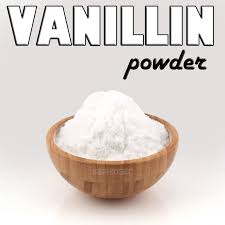
Position bio/fermentation vanillin (if you supply it) as a premium, clean-label option — for markets in Europe/North America and premium product lines.
For high-volume cost-sensitive applications (snacks, mainstream bakery, emerging markets) ensure you highlight synthetic or nature-identical vanillin as a viable solution.
Supply chain reliability will be valued: highlight your sourcing, certifications, lead-times.
Innovation angle: highlight that you stay up-to-date on fermentation/green sourcing.
Regional strategy: focus on Asia-Pacific for volume growth; Europe/North America for premium variant growth.
📊 Quick Table of Trend Snapshot
| Trend | Why It Matters | Actionable Insight |
|---|---|---|
| Growth in processed food & beverages drives vanillin demand | Larger market = more volume potential | Target new beverage/snack launches, especially in Asia-Pacific |
| Clean‐label & natural preference rising | Differentiation & premium market | Offer “natural/bio vanillin”, highlight certifications |
| Synthetic still dominates due to cost & supply | Cost-sensitive customers still need value | Maintain competitive synthetic product lines |
| Raw material/supply volatility | Risk management is key | Emphasise supply reliability, stock levels, alternative sourcing |
| Increasing applications beyond food (cosmetics, pharma) | Opens new growth avenues | Promote vanillin for flavoured pharmaceuticals, personal care |
🔮 Final Thoughts
In short: Vanillin is no longer a mature, stagnant market. It’s steadily evolving — driven by consumer shifts, geographic growth, and production innovation. For Tynod Chemistry, there’s ample opportunity to lead by aligning your product offering, pricing strategy, and messaging with these global dynamics.