

1. Introduction to Potassium Sorbate
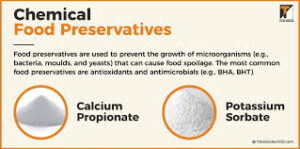
Potassium Sorbate (C₆H₇KO₂) is a salt of sorbic acid, widely used as a preservative in the food industry. It is known for its ability to inhibit the growth of mold, yeast, and certain bacteria, making it a go-to ingredient in a wide range of products.

2. The Chemistry Behind Potassium Sorbate
Potassium Sorbate is the potassium salt of sorbic acid, which is naturally occurring in certain fruits like berries. The chemical formula for Potassium Sorbate is C₆H₇KO₂, and it is a white crystalline powder that is highly soluble in water. It is typically produced through the neutralization of sorbic acid with potassium hydroxide. The primary function of Potassium Sorbate as a preservative is its antimicrobial properties, particularly in its ability to disrupt the cell membranes of microorganisms, preventing their reproduction and growth.
3. Why Potassium Sorbate is a Trusted Preservative
3.1 Effective Against Mold and Yeast
One of the key reasons Potassium Sorbate is a trusted preservative is its strong ability to combat mold and yeast. These microorganisms are the primary culprits behind spoilage in foods, especially in perishable items like fruits, juices, dairy products, and baked goods.
3.2 Extends Shelf Life
Potassium Sorbate is highly effective in prolonging the shelf life of food products. Foods like bread, cakes, and even certain dairy products are prone to rapid degradation due to microbial activity. By adding Potassium Sorbate, manufacturers can extend the storage time of these products without relying on refrigeration or excessive amounts of other chemicals. This makes it an ideal choice for both manufacturers and consumers who value convenience and longevity.
3.3 Safe for Consumption
When used according to regulatory guidelines, Potassium Sorbate is deemed safe for human consumption. It has been extensively tested and reviewed by food safety organizations such as the U.S. Food and Drug Administration (FDA) and the European Food Safety Authority (EFSA). The acceptable daily intake (ADI) for Potassium Sorbate has been established, ensuring that consumers are exposed to levels that are not harmful.
4. Applications of Potassium Sorbate in the Food Industry
Potassium Sorbate is an incredibly versatile preservative, used across a wide array of food products. Below are some of the most common applications in the food industry:
4.1 Dairy Products
In dairy products such as cheese, yogurt, and ice cream, Potassium Sorbate is often used to prevent the growth of molds and yeasts that can spoil the product. It ensures that the dairy products maintain their fresh taste and texture throughout their shelf life.
4.2 Beverages
Fruit juices, wine, and soft drinks benefit from the antimicrobial properties of Potassium Sorbate. In beverages, it helps in preventing the fermentation of sugars by yeast, which can result in the product spoiling. Potassium Sorbate ensures that these beverages retain their flavor and clarity for extended periods.
4.3 Bakery Goods
Bakery items, especially those that contain high moisture content, such as cakes, pastries, and breads, are susceptible to mold and yeast growth. Potassium Sorbate is added to these products to extend freshness and prevent spoilage. It also helps in maintaining the soft texture of baked goods.
4.4 Processed Meats
Processed meats such as sausages, hams, and hot dogs are prone to spoilage due to the growth of bacteria. Potassium Sorbate can be added to these products to prevent microbial growth and extend their shelf life without the need for refrigeration or freezing.
4.5 Packaged Snacks
In packaged snacks such as chips, crackers, and nuts, Potassium Sorbate is often added to prevent mold growth and ensure that the products stay crispy and fresh. It is particularly useful in products that are stored at room temperature.
5. Environmental and Health Considerations
5.1 Regulatory Safety Standards
Potassium Sorbate is approved for use as a food preservative by many global regulatory agencies. The FDA, EFSA, and other regulatory bodies have established strict guidelines for its safe use. Potassium Sorbate’s safety is well-documented, with extensive studies demonstrating that it is effective at the concentrations typically used in food products.
5.2 Consumer Concerns
Despite its proven safety record, some consumers may be wary of using chemical preservatives in food. However, it is important to note that Potassium Sorbate is one of the mildest preservatives in terms of potential side effects. It is non-toxic when consumed within recommended limits and has not been shown to cause allergic reactions in the majority of the population.
6. Comparing Potassium Sorbate with Other Preservatives
When compared to other common preservatives, such as sodium benzoate, propionates, or sulfites, Potassium Sorbate has several advantages. It is relatively mild, has a neutral taste, and does not significantly alter the flavor or texture of food. Additionally, it is more effective against a broader range of molds and yeasts compared to some alternatives.
Below is a comparison table that summarizes some key characteristics of different preservatives:
| Preservative | Effectiveness | Taste Alteration | Shelf Life Extension | Safety Profile |
|---|---|---|---|---|
| Potassium Sorbate | Broad spectrum (molds, yeasts) | Minimal taste alteration | Long-lasting | High |
| Sodium Benzoate | Effective against bacteria | Slight taste impact | Moderate | Moderate |
| Propionates | Effective against molds and fungi | Minor taste impact | Moderate to long | High |
| Sulfites | Effective against yeast and bacteria | Strong taste impact | Moderate | Moderate |
7. Conclusion
Potassium Sorbate is a highly trusted and versatile preservative that plays a crucial role in ensuring the safety and quality of food products. Its broad-spectrum antimicrobial properties, combined with its minimal taste impact, make it a top choice for manufacturers in the food industry. It not only extends the shelf life of products but also ensures that consumers enjoy fresh and safe food. By adhering to regulatory guidelines, Potassium Sorbate remains one of the most effective and reliable preservatives available today.
For food manufacturers looking to maintain product integrity and reduce waste, Potassium Sorbate offers a reliable, safe, and cost-effective solution. As consumers continue to demand longer-lasting products without compromising quality, the use of Potassium Sorbate will remain a trusted solution for years to come.
。