I. Introduction: One Substance, Two Worlds
At first glance, a white powder called xanthan gum may seem simple — but within it lies a fascinating duality.
It is one of the most versatile food additives known to modern industry: a biopolymer born from fermentation, capable of thickening, suspending, stabilizing, and binding.Yet not all xanthan gums are created equal.
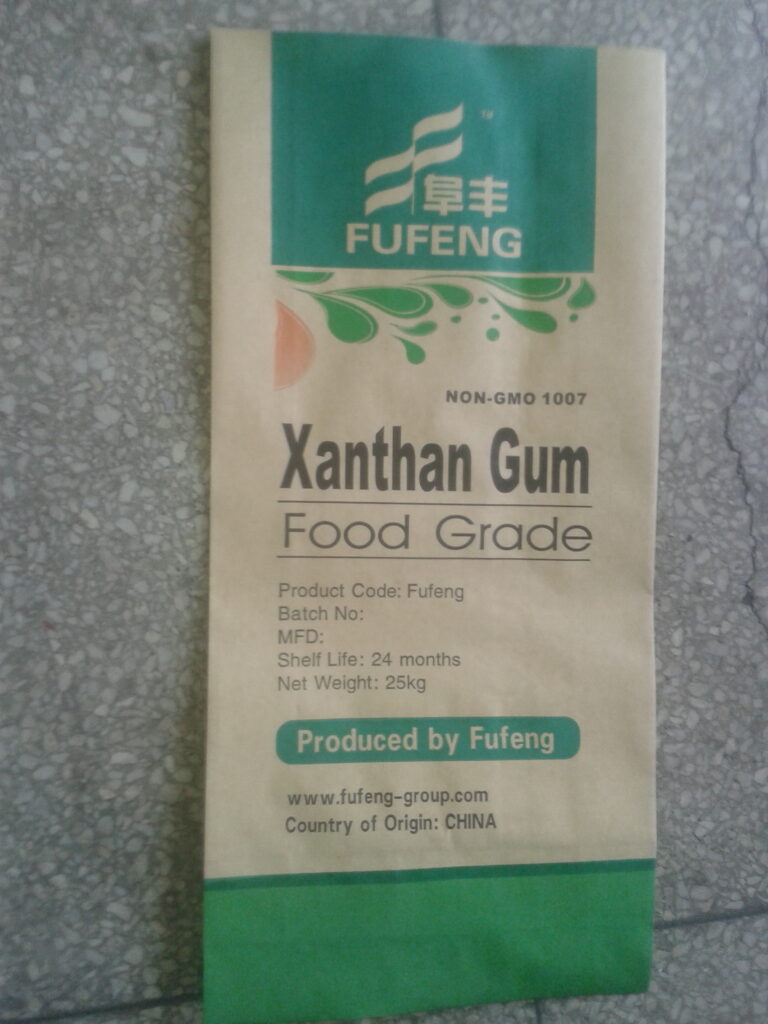
There is food-grade xanthan gum, pure and refined enough to enter the human body — and there is industrial-grade xanthan gum, engineered for machinery, oil rigs, paints, and drilling muds.
xanthan gum
They share the same backbone molecule, but not the same destiny.At Tynod Chemistry, we supply both — and we know exactly what separates one from the other.
🍞 II. What Is Xanthan Gum?
Xanthan gum is a polysaccharide produced by the fermentation of Xanthomonas campestris bacteria using a carbohydrate source such as corn or glucose.
When dispersed in water, it forms a viscous, stable solution — even at low concentrations.
It is prized for its shear-thinning property: the ability to become thinner when stirred, and thicken again when at rest — perfect for sauces, beverages, and drilling fluids alike.
thickener But its purity, safety, and intended application determine whether it belongs to your kitchen or your factory floor.
⚖️ III. Core Differences Between Food-Grade and Industrial-Grade Xanthan Gum
Category Food-Grade Xanthan Gum Industrial-Grade Xanthan Gum Raw Material Source Food-safe glucose, corn syrup, or starch Industrial carbohydrates, often not purified Production Environment Clean, food-grade facilities under HACCP / GMP standards Industrial fermentation with lower purity controls Purity & Safety Level ≥98% purity; free from heavy metals, solvents, or toxic residues Contains trace impurities, residual ash, or processing aids Appearance & Odor Fine white to light cream powder; neutral odor Yellowish to brown powder; may have mild chemical odor Viscosity (1% solution) 1200–1800 cps (food-standard stable) 800–1600 cps (varies widely) Microbiological Limits Strict control: total plate count ≤2000 CFU/g May not comply with food microbiological standards Additives & Processing Aids None — fully approved food-grade processing agents May include industrial stabilizers, dispersants Certifications FDA, EFSA, GB, E-number (E415) Typically none or only industrial certification Typical Applications Sauces, beverages, bakery, ice cream, dairy, cosmetics, pharma Oil drilling mud, ceramics, textile printing, coatings, mining 🍰 IV. The Food-Grade Standard: Purity Meets Performance
Food-grade xanthan gum is a precisely controlled, high-purity polymer used widely across the food, beverage, and pharmaceutical industries.
Its key functions include:Thickening sauces, dressings, and syrups for consistent texture
Stabilizing emulsions and suspensions in beverages or dairy
Improving mouthfeel in low-fat or sugar-free foods
Preventing ice crystal formation in frozen desserts
Enhancing shelf life by maintaining moisture balance
At Tynod Chemistry, our food-grade xanthan gum meets FCC (Food Chemicals Codex) and E415 EU standards. It is non-GMO, kosher, halal, and available in multiple mesh sizes (80, 200 mesh).
Each batch is tested for viscosity, pH, ash content, and microbial purity before shipment.“Our philosophy: precision begins at the molecule. Because what goes into food must first earn our trust.”
🏗️ V. The Industrial-Grade Variant: Strength Over Safety
Industrial-grade xanthan gum, while molecularly similar, is manufactured with different priorities.
It focuses on performance in harsh environments, not consumption safety.
It is valued in:Oil Drilling: increases viscosity and carrying capacity of drilling fluids under high pressure and temperature
Ceramics: controls glaze and slip flow
Textile Printing: improves dye penetration and uniformity
Construction Materials: acts as a water-retention and binding agent
Mining & Coatings: prevents sedimentation, enhances suspension
It can tolerate variations in raw material and pH stability.
However, it is not purified for ingestion and may contain residues of fermentation substrates, solvents, or heavy metals that disqualify it from food use.Food-grade xanthan gum is crafted for safety. Industrial-grade xanthan gum is built for strength.
The difference is not only in quality — it’s in purpose.⚗️ VI. Chemical & Functional Comparison
Property Food-Grade Industrial-Grade Molecular Weight (approx.) 2.0–2.5 × 10⁶ Da 1.8–2.5 × 10⁶ Da Thermal Stability Up to 90°C (retains viscosity) Up to 120°C (for drilling mud) pH Stability 3–10 (suitable for foods) 2–12 (suitable for chemicals) Shear Recovery High Moderate to high Residual Solvent Level None detectable May contain <0.1% industrial solvents Heavy Metal (Pb, As) <2 ppm May exceed 10 ppm Color Value (Hunter L) ≥85 ≤75 Even though both function as thickeners, the purity difference defines their destiny. A single part-per-million of heavy metal or solvent residue can make an otherwise perfect industrial-grade gum unfit for human consumption.
🧫 VII. Quality Assurance at Tynod Chemistry
Our xanthan gum production lines are built under Good Manufacturing Practice (GMP) and ISO 22000 systems, ensuring traceability, microbiological control, and consistency.
Every batch of food-grade xanthan gum is tested for:Parameter Specification Method Viscosity (1% solution, 25°C) 1200–1800 cps Brookfield Viscometer Moisture ≤13% Oven drying method Ash ≤13% Gravimetric pH (1% solution) 6.0–8.0 pH meter Total Plate Count ≤2000 CFU/g Microbiological plating Lead (Pb) ≤2 mg/kg Atomic absorption spectrometry This ensures uniform texture, clarity, and safety for global food processors.
Industrial-grade batches follow similar viscosity testing but skip microbial and heavy metal verification — acceptable for non-edible use, but never for food.🌍 VIII. Application Contrast: From Kitchen to Industry
Sector Typical Formulation Use Grade Used Sauces & Dressings 0.1–0.3% for smooth texture Food-grade Ice Cream & Beverages 0.05–0.15% for suspension & mouthfeel Food-grade Pharmaceuticals Tablet binding, controlled release Food-grade Cosmetics Cream stabilizer Food-grade Oilfield Drilling 0.2–0.5% for viscosity & suspension Industrial-grade Paints & Coatings Thickening, anti-settling Industrial-grade Ceramics / Mining Slurry control Industrial-grade 📸 IX. Suggested Visuals
Header Image: Split-screen image — one half showing creamy salad dressing (food use), the other showing oilfield drilling mud (industrial use). Caption: “One molecule. Two destinies.”
Infographic: “Food-Grade vs Industrial-Grade Xanthan Gum — Key Differences” (using purity, viscosity, applications).
Lab Image: White-coated technician testing xanthan gum viscosity — represents quality control.
Factory Warehouse Shot: Drums labeled Tynod Chemistry Xanthan Gum (Food Grade) and Industrial Grade side by side, showing professionalism and transparency.
💬 X. Expert Insight from Tynod Chemistry
“In the world of food additives, misunderstanding can cost trust. Many buyers assume xanthan gum is universal — but safety depends entirely on grade. At Tynod Chemistry, we educate before we sell, because every formula deserves the right foundation.”
Our clients span food manufacturers, beverage formulators, pharma producers, and industrial firms. We provide grade-matched solutions, ensuring the right specification for the right purpose — every time.
🔬 XI. The Risk of Using the Wrong Grade
Some low-cost suppliers mix or mislabel grades. Using industrial-grade xanthan gum in food applications can lead to:
Heavy metal contamination
Off-flavors or odors
Regulatory violations
Loss of consumer trust
At Tynod Chemistry, we take integrity seriously. Each bag carries clear labeling, batch numbers, and export documentation (COA, MSDS, TDS).
“Purity is not just a standard. It’s a promise.”
✨ XII. The Tynod Chemistry Advantage
🌐 Comprehensive Portfolio: Food & industrial grades of xanthan gum, thickeners, preservatives, acidulants, and more.
🧾 Verified Certifications: ISO, HACCP, FDA-compliant documentation.
💰 Competitive Pricing: Direct-from-factory supply chain advantage.
⚡ Quick Delivery: Global logistics and rapid-response packaging.
💬 Technical Support: Assistance with formulation, viscosity adjustment, and cost optimization.
🌟 Excellent Reputation: 20 years of global trust and stable supply.
🧭 XIII. Conclusion: Same Origin, Different Destiny
Food-grade xanthan gum and industrial-grade xanthan gum may share the same molecular roots — but they live in different worlds.
One is engineered for the human palate, guided by purity and safety.
The other serves the industrial frontier, shaped by strength and endurance.At Tynod Chemistry, we respect both — but we never confuse them.
Because when chemistry meets purpose, quality is born.